Breaking Health Down in 2025 (in a Nutshell)
By Tyler Raikar | Contributing Author
2025 may be remembered as the year health transformed into a cultural fixation. As health became the latest fad, AI paved new possibilities in the realm of personalized medicine and biotechnology, and GLP-1s became the hottest social drug. Because of this, let’s spotlight some of the most influential biotechnology and research breakthroughs that are poised to redefine the future of healthcare as we know it.
1. CRISPR in Creating More
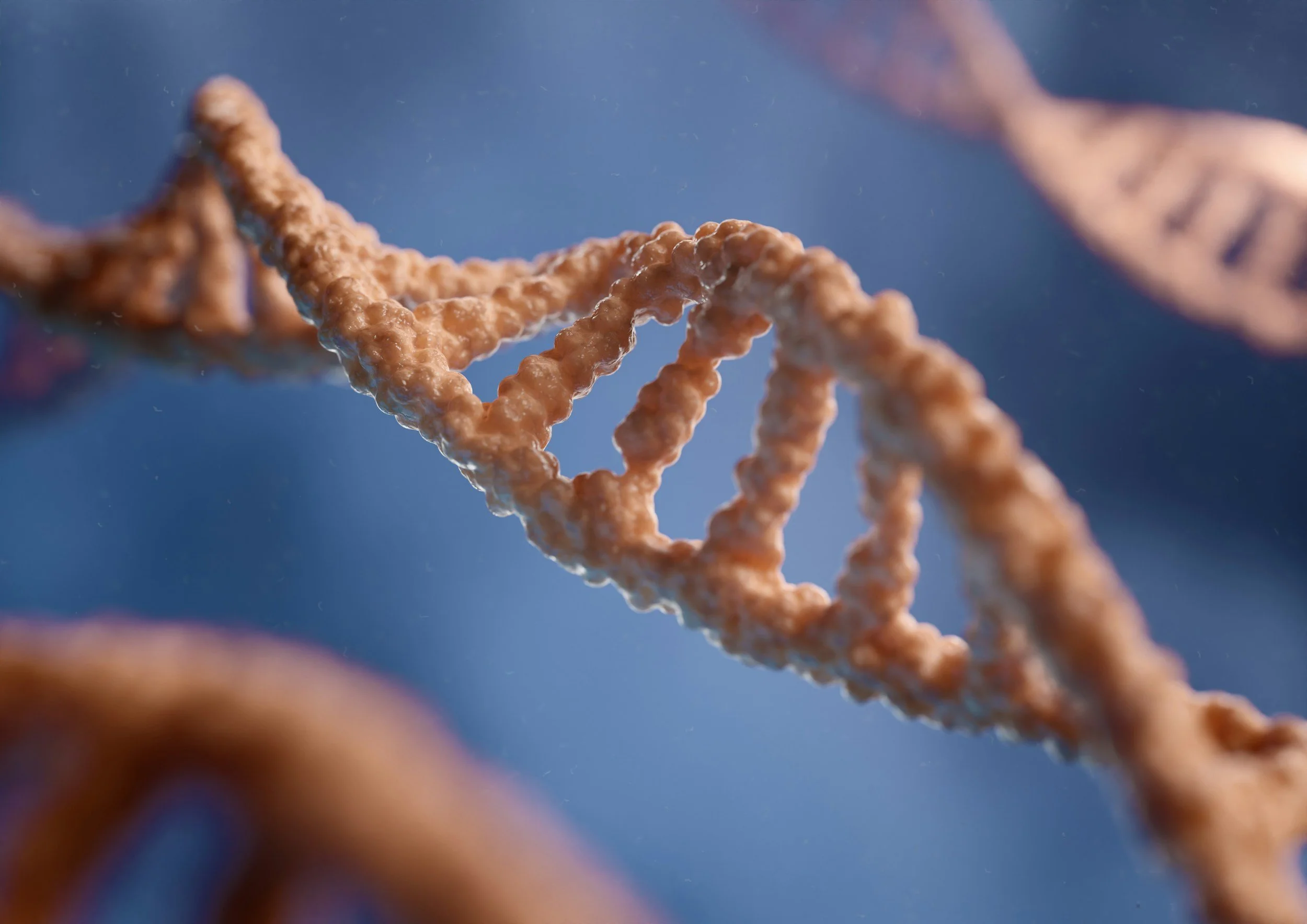
As the first AI-created gene editor, gene editing can now be algorithmically determined, rather than being solely driven by nature. Named OpenCRISPR-1, this is the first AI-CRISPR model designed to work using large language models instead of biological models. Before unraveling why this is huge, first understand that traditional CRISPR-Cas systems, a type of gene-editing technology, utilize the Cas9 enzyme. This enzyme cuts out genes in the genome. Then, by natural cellular processes, the DNA reformats to the desired DNA code. This method follows naturally occurring DNA sequences that alter an organism’s genome.
OpenCRISPR-1 defies this and synthesizes entirely new DNA code that does not naturally exist via an AI-designed CRISPR protein. In fact, according to reports by Profluent, OpenCRISPR-1 supposedly has the same or even improved editing performance within the human genome. By going beyond discovering new genes, OpenCRISPR-1 opens doors to revolutionize genetic medicine by breaking through evolutionary constraints and reimagining what may be endless possibilities of the DNA code.
However, aside from OpenCRISPR-1 alone, researchers discovered some pretty amazing advancements with the use of CRISPR-Cas technology. FDA-approved gene editing can now target sickle cell disease, which affects tens to hundreds of thousands of patients annually. In other words, the cure to this life-debilitating disease has officially surfaced in medicine.
CHECK OUT: Patient Cured of Sickle Cell Anemia With Innovative Gene Therapy
2. The Domination of GLP-1 agonists

By now, GLP-1 agonists have become nearly unavoidable in American culture. Previously used to treat patients with diabetes, their breakthrough therapies in dropping weight fast simultaneously sparked debate about limiting access, ethics, and their long-term impact. In fact, sales for these drugs are projected to reach around $50 billion by 2026.
Optimistically, these drugs are being further investigated for their potential role in disease prevention, including cardiovascular disease, specific cancers, and autoimmune disease. But… do these potential benefits outweigh concerns over limited drug supply and the body-image ideals that their popularity continues to reinforce?
As GLP-1 drugs continue to straddle the pharmaceutical market, their true long-term effects remain to be seen in 2026 and counting.
3. AI in Advanced Diagnostics
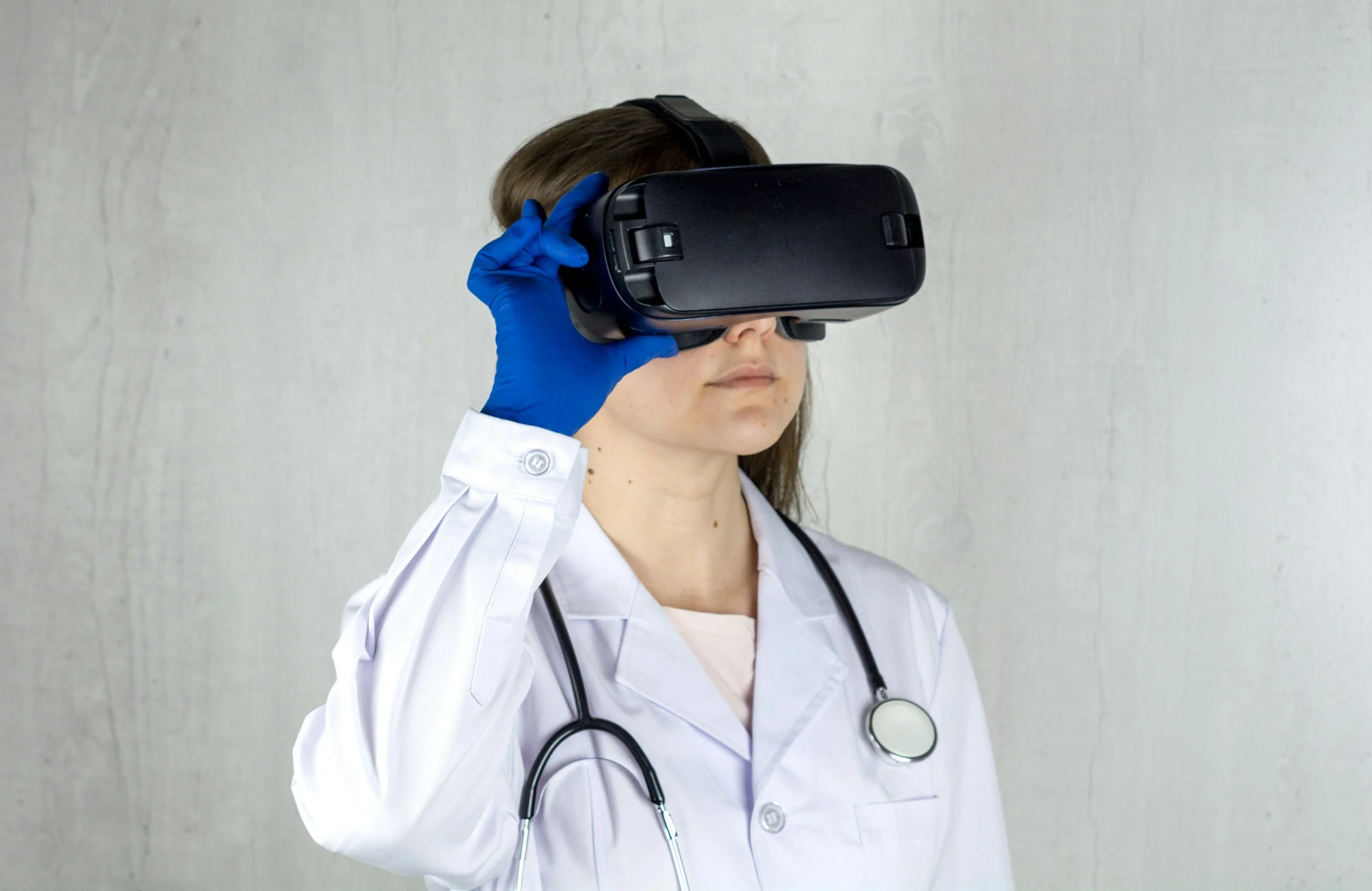
What the human eye cannot visualize anatomically, AI has figured out how to do. Use of AI in imaging refocused previous imaging and radiology methods to heighten 3D and 4D anatomical visualization. This means earlier disease detection and improving diagnostic accuracy by providing more detailed evidence of pathology. Oncologists especially benefit from this– AI can pick up on subtle patterns found from hundreds of complex medical images that end up being associated with early-onset cancers, with AI imaging having a 93% accuracy in classifying cancer subtypes.
CHECK OUT: AMP: AI as a diagnostic tool
AI also aids in personalized medicine through biotechnology advances. 2025 highlighted that AI-driven models expedited drug discovery and revealed novel therapeutic targets by analyzing hundreds of complex biological datasets. In fact, the collaboration between IBM and the Cleveland Clinic, in which they installed their first quantum computer for drug discovery research, marks one of the many pivotal steps toward combating complex diseases in ways previously thought of as strictly sci-fi.
As 2025 closes and we enter 2026, healthcare is undergoing a fundamental shift in how personalized medicine & disease are detected, understood, and ultimately treated. But aside from all this new technology, will we allow it to take over the integrity of human judgment, empathy, and patient-centered care that medicine was first built upon?
I guess we will see, come 2026.