Now Let’s Try to Manifest a Reality
By Mara Santos| Contributing Author

You’ve probably seen the current epidemic of manifestation media, especially through the countless tarot readers on TikTok.
Whether they’ve described your situationship with weird accuracy or recommended “pre-sleep fantasizing” to help you manifest holding an Oscar in the near future. Unfortunately, I must tell you– you won’t get the Oscar simply because you visualized how heavy it would be, how it might smell or how your reflection might look in the gold. Manifestation does exist, just not in the magical quantum mechanism where thinking hard enough on it increases its odds, rather, in tangible neuroscience. Through this concept, these “impossible” dreams translate into genuine possibilities.
If you want that internship, writing it down nine different times won't really do much. However, neuroscience might help you get there. Let’s walk through it: first step, getting into the Parasympathetic Nervous System. Before we break this down, you should be aware of our Autonomic Nervous System, which controls our heart rate, our breathing, and our bodily functioning.
The Autonomic Nervous System, then, has two different pathways. This is where the Parasympathetic system comes in, and you can think of it as the parachute that calms you down (we love her). She is simply calm and clear. We then have the Sympathetic Nervous System, which activates the fear mode. This is what allows for the fight or flight response (we love her too, but only sometimes).
According to Dr. James Doty, a Stanford neuroscientist and neurosurgeon, taking control over the system we decide to activate is the key player in manifestation. For instance, when you are reaching a goal that is oriented in what society wants for you, you tend to act on your own insecurities; the neurological patchwork aligns with this idea of “I have to get this to be successful,” and in turn, actually inhibits one from finding success. This is because the stress short-term activates your Sympathetic Nervous System, but long-term activates your Hypothalamic-Pituitary Adrenaline Axis in the long term.
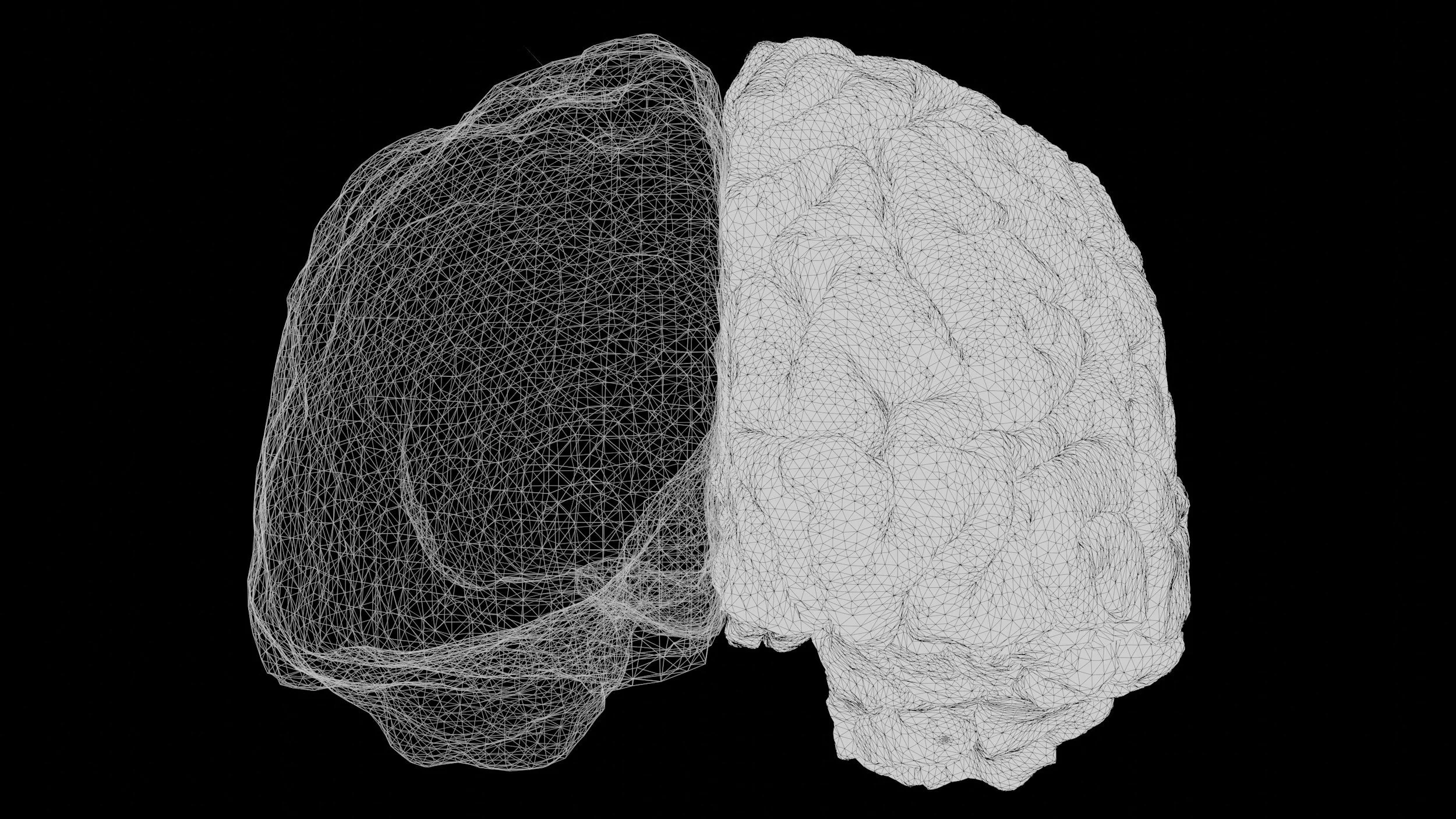
Think of your hypothalamus as the boss who just received the message that their company is going to collapse. From there, they send the message to the pituitary gland to tell your adrenal glands to release cortisol (the body’s stress hormone, which slows down digestion and increases glucose for energy to make your body believe it must get ready to attack). The energy may be beneficial, but not long-term. If you have chronic stress–which I know many of you do– the energy quickly tires our nervous system and leads to symptoms of anxiety and depression. So, just trust me when I tell you this: step into the Parasympathetic Nervous System.
With your new, clear state of mind, something called your Reticular Activating System (RAS) is working extra hard. The RAS is a bundle of neurons that work to direct selective attention, meaning it filters what information should be processed and what should be ignored. In other words, you will start to identify something called the cocktail party effect or what you like to call “signs” or “coincidences”. To visualize this better, let’s say you start looking for a job on Wall Street, and on that same day, you walk into your regular coffee shop and hear a conversation about a person who does just that– gets a job on Wall Street. Coincidence? Not really– you just cleared your mind and are now able to pick up more things that surround your desire.
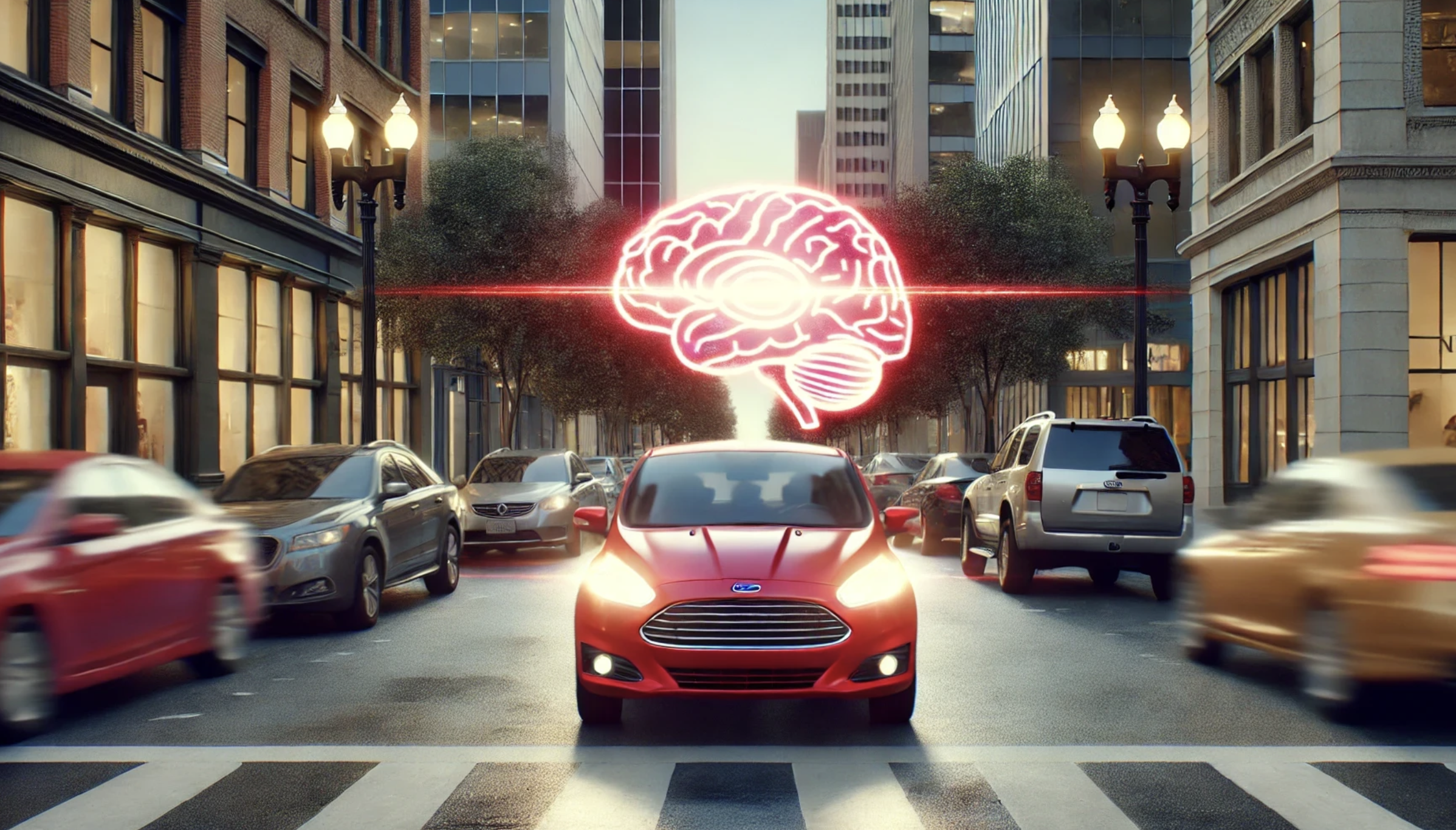
The Parasympathetic System allows your brain to be more aligned with what you want. It is what explains the red car theory. You start taking a liking to red cars and want to buy one. Although not everyone around you bought a red car, you simply notice them more than ever because of your brain’s focus on them, hence making you believe everyone, too, wants a red car.
So, onto step three: your brain is your friend, it knows how much what you want means to you, and so it will prioritize it for you. This causes your neural pathways to start releasing dopamine even with the thought of working towards your goal. This process is activating something called the Dopamine Reward System. You literally changed your neural patchwork into making yourself want it even more; therefore, you have more motivation and will work harder towards it.
Now, here is the final and most important stage: understanding that some things aren’t meant for you. Science’s best friend is faith– not the type of faith where you “believe, and it will appear,” but in the faith that every failure, detour, and process is part of your path. We can’t control anything in life, but we can control how we react. Every redirection is simply strengthening your neural pathways and preparing you for what awaits, towards your purpose. It is through learned experiences– what we like, what we despise, what thrills us, what depresses us– that inspire what we want the next day. So take charge and keep manifesting by acting on your opportunities. Life's too short to wait around, and no, you’re not crazy for manifesting. It’s simply neuroscience.